


-

Add: HeBei ShengShi HongBang Cellulose Technology CO.,LTD.
-

Email
13180486930@163.com -

CONTACT US
+86 13180486930
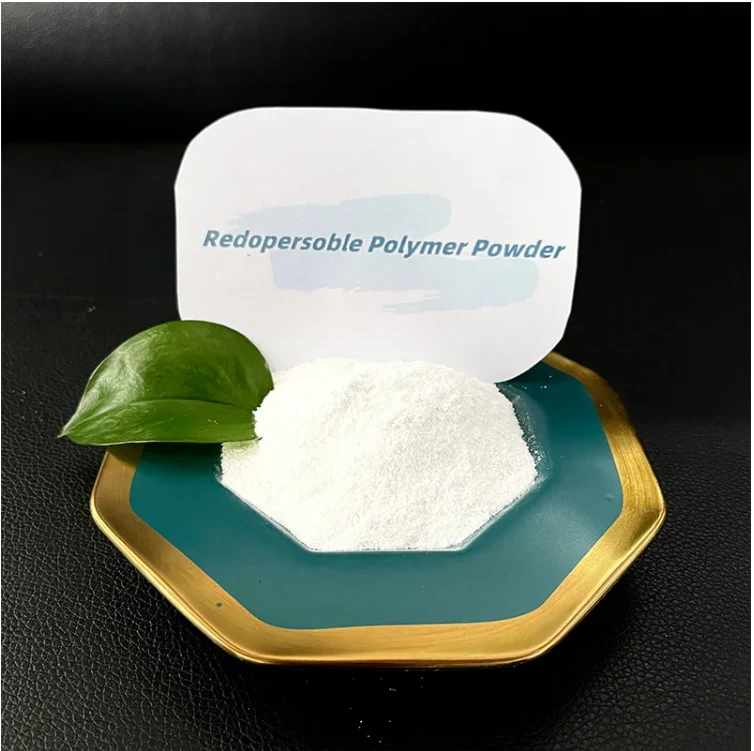


Hydroxypropyl methylcellulose (HPMC) is a multi-functional polymer that garners extensive attention across various industries due to its impressive solubility characteristics in water and a wide array of applications. As an industry veteran with years of firsthand experience, I have witnessed how the solubility of HPMC in water significantly enhances product performance, making it a go-to choice for formulators. To understand HPMC's solubility in water, it is crucial to first delve into its chemical structure. HPMC is a non-ionic cellulose ether derived from alkali cellulose through a reaction with methyl chloride and propylene oxide. This distinctive structure is pivotal to its solubility. When HPMC is dispersed in cold water, it hydrates and swells rapidly, forming clear solutions or gels depending on the temperature and concentration. Its solubility in cold water renders it highly versatile, allowing it to be utilized in various dosages and applications. One factor that influences HPMC’s solubility is the degree of substitution (DS) and the molar substitution (MS). A higher degree of substitution results in more hydrophobic methoxy and hydroxypropyl groups on the cellulose backbone, enhancing its water solubility. Industrial applications leverage this property by selecting HPMC grades with optimal DS and MS to tailor performance for specific requirements. For instance, in the pharmaceutical domain, this characteristic is essential for controlled drug delivery systems, where HPMC acts as a rate-controlling agent. Temperature plays a significant role in the solubility dynamics of HPMC. Known for its reversible thermal gelation properties, HPMC will dissolve in cold water but can precipitate out of solution when exposed to rising temperatures, exhibiting gel formation. This unique property is expertly harnessed in construction applications, where HPMC is utilized to improve the water retention and workability of cement-based materials. Mastery of this thermoreversible behavior allows product developers to fine-tune formulations for enhanced efficiency and performance reliability. hpmc solubility in water My professional involvement with HPMC spans a broad spectrum of industries. In personal care products, its water solubility is an asset in formulating non-sticky lotions and creams that offer consistent viscosity over a range of temperatures. In the food industry, as a thickener or stabilizer, HPMC promises uniformity and stability, maintaining product integrity under varying storage conditions. The transparency and viscosity of HPMC solutions make them ideal for eye drops and other ophthalmic preparations, where clarity and uniform distribution of active ingredients are paramount. Despite its advantages, HPMC’s solubility in water poses challenges . For instance, incorrect dispersion can lead to clumping, which compromises the efficiency and clarity of solutions. Through my experience, I recommend the gradual addition of HPMC to the vortex of a well-stirred cold water solution to prevent lump formation. This method ensures even hydration and dissolution, maximizing the functional benefits of HPMC for the intended application. Regulatory compliance and product consistency are of utmost importance in any formulation involving HPMC. Adherence to standards set by bodies such as the U.S. Pharmacopeia (USP) fortifies the trustworthiness of HPMC-based products, providing assurance that they meet safety and efficacy benchmarks essential for consumer confidence. In conclusion, the solubility of HPMC in water is a defining feature that enhances its application potential across industries. By leveraging its unique properties, formulators can innovate and produce high-performance products with the reliability and efficacy that modern consumers demand. By sharing my expertise and insights, I aim to empower industry professionals to make informed decisions that capitalize on HPMC’s immense capabilities.
- 40000tons

Production
- 20+years

Experience
- 5000+㎡

Acreage

-
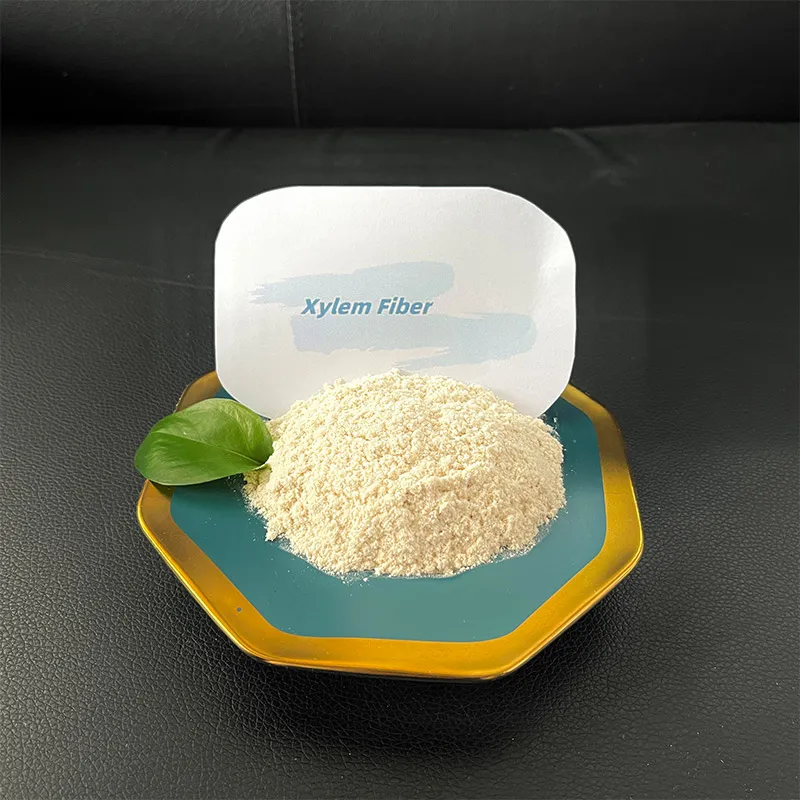
Hydroxypropyl methylcellulose (HPMC) , a versatile polymer traditionally used in pharmaceuticals and food science, has gained profound traction in skincare formulations. Illuminating its scientific merits and practical applications reveals why HPMC is a coveted ingredient in modern skincare products. HPMC functions primarily as a thickening agent, stabilizer, and moisture-retention enhancer in skincare items. Its unique ability to form a protective barrier on the skin makes it effective in preventing water loss, crucial for maintaining hydration in skin strata. The non-reactive and inert nature of HPMC means it integrates seamlessly with other ingredients, enhancing product stability without adverse reactions. Furthermore, its ability to improve the sensorial profile of formulations translates to more pleasing textures and application experiences for consumers. From a scientific viewpoint, HPMC’s structure is composed of cellulose, offering biocompatibility and sustainability. This cellulose backbone is coupled with hydroxypropyl and methyl groups, providing solubility in both cold and warm water – a critical attribute for manufacturers seeking versatile production processes. Products containing HPMC can be easily tailored in viscosity, catering to diverse formulation needs ranging from lightweight serums to rich night creams. Expert studies highlight that HPMC can play a significant role in enhancing the efficacy of active ingredients. By forming a semi-occlusive layer, it allows for the gradual release and prolonged presence of actives like hyaluronic acid and vitamin C on the skin surface, thus amplifying their effectiveness. This prolonged contact time is beneficial for ingredients prone to rapid oxidation or degradation, providing a significant edge in terms of product potency and shelf life. hydroxypropyl methylcellulose in skin care Anecdotal evidence from seasoned dermatologists and skincare enthusiasts attests to the soothing benefits of HPMC-enriched formulations. Its hypoallergenic property makes it suitable for sensitive skin types, while its film-forming capacity assists in protecting the skin barrier from environmental aggressors like pollutants and UV rays. The multi-faceted qualities of HPMC extend to addressing skin imperfections – it is often incorporated in formulations targeting signs of aging, redness, and minor irritations, enhancing the skin’s natural resilience and radiance. Leading skincare brands leverage the authority of HPMC-backed research to innovate and differentiate their product lines. By synergizing HPMC with botanical extracts and cutting-edge actives, they forge products that resonate with consumers seeking efficacy paired with a clean and conscious ingredient list. The credibility of using a plant-based polymer like HPMC aligns with the growing consumer demand for transparency and sustainability in beauty products. For consumers, the trust in HPMC is built on its proven track record of safety and performance. It is non-toxic, non-irritating, and recognized by global health authorities as a safe additive, bolstering consumer confidence. Its extensive application in biomedicine for controlled drug release further elevates its standing in the skincare domain, reminding users of the scientific rigor underpinning their everyday beauty routines. In conclusion, the integration of hydroxypropyl methylcellulose in skincare is not merely a formulation trend; it symbolizes a deeper shift towards synergizing nature's offerings with scientific precision. By championing HPMC, skincare brands not only uplift their product efficacy but also embrace a narrative of innovation underpinned by reliability and empirical validation. As consumers continue to navigate an expansive skincare market, HPMC stands out as a pillar of trust, offering tangible benefits that cater to their evolving skincare ethos.
-
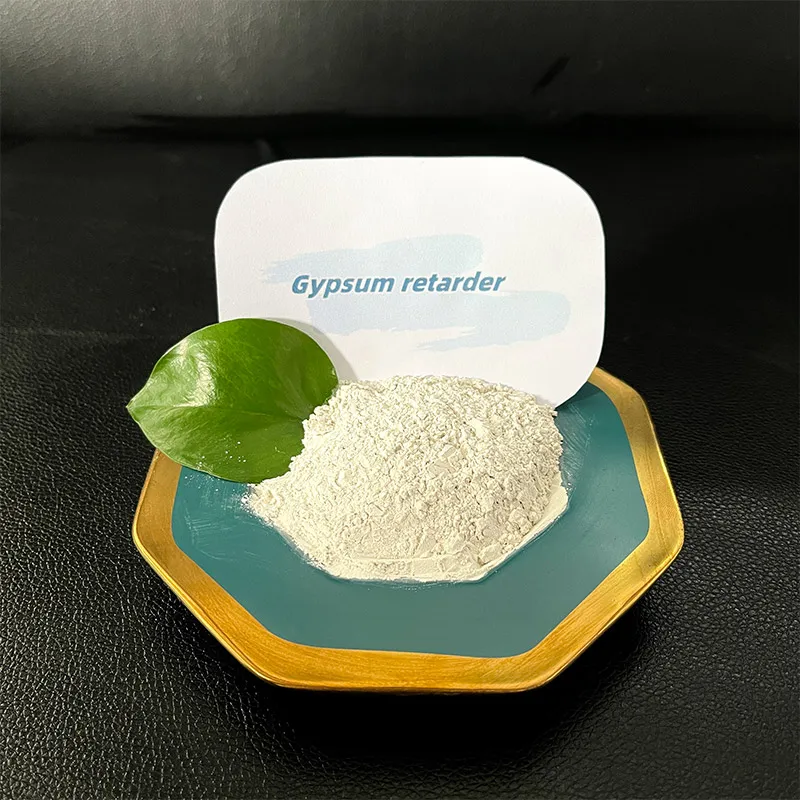
In the realm of pharmaceuticals, HPMC stands for Hydroxypropyl Methylcellulose, a compound indispensable to the formulation processes within the industry. Renowned for its multifaceted applications, HPMC is primarily utilized as an excipient — a substance formulated alongside the active ingredient of a medication. Its role extends beyond mere filler, showcasing an impressive array of functionalities that facilitate product development, ensure quality, and enhance therapeutic effectiveness. Born from cellulose, the most abundant organic polymer on Earth, HPMC emerges through a sophisticated chemical modification process. This modification bestows upon it unique properties such as water solubility, high viscosity, and a non-toxic nature. These characteristics make HPMC a critical ingredient in a diverse array of pharmaceutical products, from tablets and capsules to ophthalmic solutions and topical applications. One of the key benefits of HPMC in tablet formulation is its function as a disintegrant. In the human body, tablets must break down into smaller particles to assure the bioavailability of the drug. HPMC facilitates this process . It swells upon contact with water, helping the tablet to disintegrate promptly, speeding up the release and absorption of the active pharmaceutical ingredient (API). This efficiency enhances the drug’s effectiveness and reliability, a crucial factor in patient satisfaction and trust in pharmaceutical products. Additionally, HPMC acts as a controlled-release agent. In sustained release formulations, HPMC matrices regulate the rate at which the API is dispensed into the system, providing a consistent therapeutic effect over an extended period. This not only maximizes the efficacy of the medication but also improves patient compliance by reducing the frequency of doses required per day. In capsule production, HPMC is celebrated as a vegan alternative to gelatin. Increasingly, consumers are demanding plant-based options in their medicinal products, and HPMC serves this niche perfectly. It forms the backbone of non-animal-based capsules, ensuring that users adhering to vegan lifestyles or with dietary restrictions have access to safe and compliant pharmaceutical options. hpmc full form in pharma Beyond oral medications, HPMC's significance extends to topical pharmaceuticals. Its thickening and stabilizing attributes are particularly beneficial in creams and gels, ensuring the even distribution of the active substances across the applied surface area. In eye drops, HPMC's mucoadhesive properties prolong the retention time of the drops on the ocular surface, maximizing therapeutic contact time and enhancing patient comfort. Backed by comprehensive testing and approval from health regulatory bodies worldwide, HPMC is acknowledged as a safe and effective compound. Preclinical trials consistently affirm its biocompatibility and non-toxic nature, key attributes that bolster its standing as a preferred excipient in the pharmaceutical industry. Industry experts consistently highlight HPMC's versatility and reliability. Dr. Elaine Baxter, a leading pharmaceutical scientist, notes, The adaptability of HPMC in responding to varied formulation needs is unparalleled. It allows for innovation in drug delivery systems, paving the way for more personalized and effective therapies. As the pharmaceutical landscape evolves towards personalized medicine, the importance of excipients like HPMC is amplified. It plays a crucial role not only in the development of current oral, ophthalmic, and topical therapies but also blazes the trail for future innovations in drug delivery technologies. Researchers are actively exploring its potential in developing nanoparticles and 3D-printed medications, which could revolutionize how we perceive and administer treatments. In conclusion, HPMC's full form — Hydroxypropyl Methylcellulose — signifies much more than its name suggests. It embodies innovation in pharmaceutical formulation, providing expertise and reliability that underscore the efficacy and safety of countless medicinal products. Its diverse applications furnish the pharmaceutical industry with a tool that enhances product development, meets evolving consumer demands, and ultimately, manifests in therapeutic trustworthiness and authority.
advantages
-

200000 Viscosities
Excellent product
We can produce pure products up to 200,000 viscosities
-

40000 tons
High yield
We don’t stop production all year round, and the annual output can reach 40,000 tons
-

24 hours
Quality service
We provide 24-hours online reception service, welcome to consult at any time
———— Inquiry Form
Schedule A services



-
 heat_resistant_synthetic_fiber
Oct . 25, 2025
Understanding the Properties of Hydroxypropyl Methylcellulose Hydroxypropyl methylcellulose (HPMC) i -
 methylcellulose_artificial_tears
Oct . 25, 2025
El Hormigón Armado con Polifibras Innovación y Ventajas en la Construcción Moderna El hormigón armad -
 hydroxypropyl_methyl_cellulose_cas_no
Oct . 25, 2025
For consumers and industry professionals searching for innovative food additives, sodium hydroxyprop


